
THE EARLY EUROPEAN- NIGERIAN TRADE
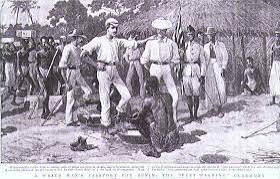
The coastal commerce was initially equitable for all parties. Europeans and Africans. But as time passed, Europeans benefited more from trade, while Africans had fewer […]

The coastal commerce was initially equitable for all parties. Europeans and Africans. But as time passed, Europeans benefited more from trade, while Africans had fewer […]

West Africa maintained connections with North Africa, Arabs, and European peoples through trans-Saharan trade, a long-distance trade route. Europeans disapproved of the 15th century commercial […]

Islam arrived in various Nigerian regions at various times and by various routes. Islam initially emerged as the religion of the elite and ruling class. […]

Four caliphs, who served as the political and religious leaders of the Muslim nation, succeeded Mohammed. They were Ali, Othan, Umar, and Abu-Bakar. Under the […]

Nigerians also worked with other metals, which produced specialized crafts. Figures and heads were cast in bronze and brass. Benin, Ife, and Igbo-Ukwu were recognized […]
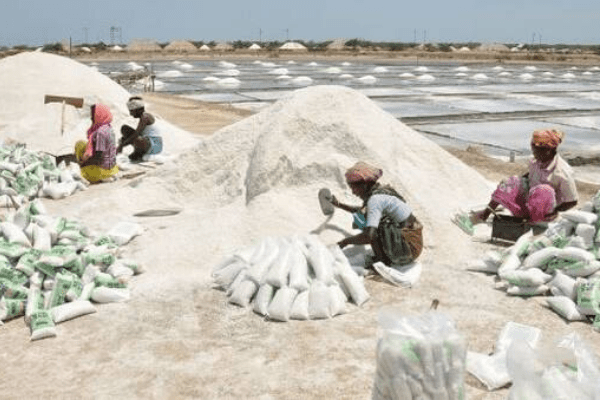
Although salt was widely produced throughout Nigeria, there was frequently a shortage due to the strong demand for it. Salt was made by boiling or […]

The major hubs for the leather and skin industries were and still are Sokoto, Kano, Bida, and Maiduguri. Similar to the textile industry, Kano’s importance […]

Even though Nigeria’s economy was based primarily on agriculture in the past and continues to do so now, many people were also involved in manufacturing, […]
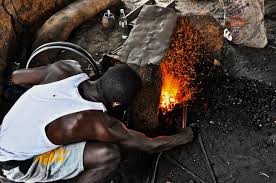
Iron smelting industries: long before the ninth and tenth centuries, Nigerian iron smiths worked with copper, tin, and iron. Iron was the most significant of […]

The caliph system or Caliphate is the political-religious state comprising the Muslim community and the lands and peoples under its dominion in the centuries following the […]
Copyright © 2026 | WordPress Theme by MH Themes
 Optimized by Seraphinite Accelerator